
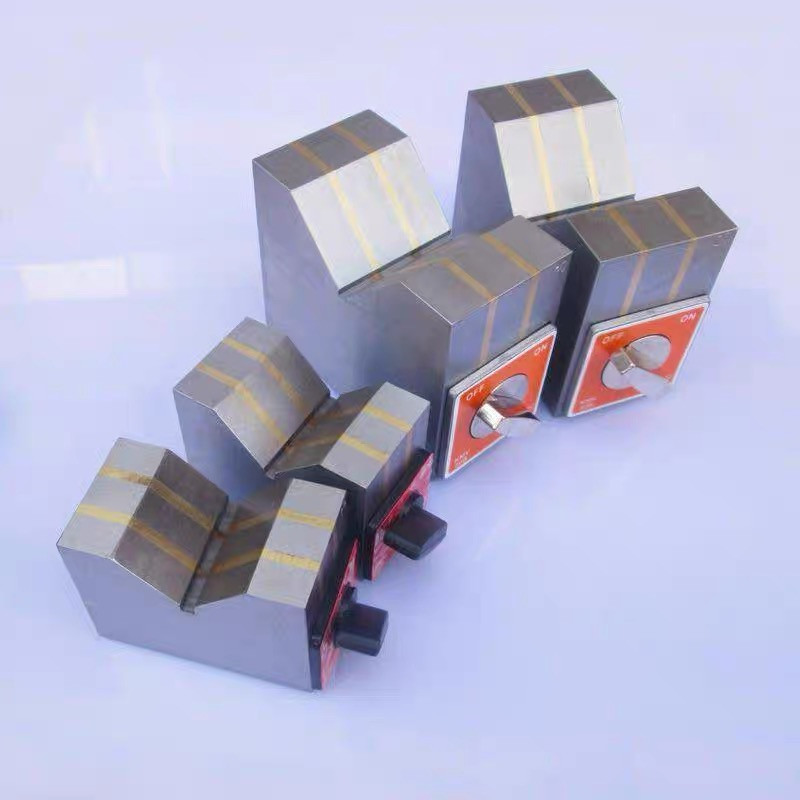
greenhouse glass panels for sale
The Impact of 0 25 Micrometer Price on the Manufacturing Industry The manufacturing industry has been revolutionized by the advent of micrometer technology, particularly the 0 25 micrometer. This cutting-edge tool has not only improved the precision and accuracy of manufacturing processes but has also significantly impacted the cost dynamics in the sector. In this article, we will explore the implications of the price of the 0 25 micrometer on the manufacturing industry. Firstly, it is essential to understand that the 0 25 micrometer is a highly specialized instrument used for measuring extremely small dimensions with great accuracy. Its price, therefore, reflects its sophistication and the level of precision it offers. A higher price point often indicates a more advanced tool capable of delivering superior measurement outcomes. As such, the cost of these micrometers plays a crucial role in determining the quality of products manufactured across various industries. The significance of the price of the 0 25 micrometer extends beyond just product quality. It directly influences the operational costs for manufacturers. A hefty investment in high-end micrometers can lead to increased overheads, which may be passed down to consumers in the form of higher product prices. Conversely, affordable micrometers might compromise on precision, potentially leading to subpar products and damaging a company's reputation Conversely, affordable micrometers might compromise on precision, potentially leading to subpar products and damaging a company's reputation Conversely, affordable micrometers might compromise on precision, potentially leading to subpar products and damaging a company's reputation Conversely, affordable micrometers might compromise on precision, potentially leading to subpar products and damaging a company's reputation 0 25 micrometer price . Furthermore, the price of the 0 25 micrometer affects research and development within the manufacturing sector. Companies investing in expensive, high-precision tools are likely to engage in more innovative practices, driving advancements in material science, engineering, and design. This commitment to excellence fosters an environment where new technologies and methodologies are constantly sought after, enhancing overall industry standards. However, the high cost of such equipment can also create barriers to entry for smaller enterprises and startups looking to make their mark in the manufacturing world. These companies might struggle to compete with established players who can afford the latest and most expensive micrometer technology. As a result, there could be a narrowing in the diversity of businesses contributing to innovation and growth within the sector. In conclusion, the price of the 0 25 micrometer holds significant sway over the manufacturing industry. It dictates not only the quality of products but also shapes competitive landscapes, influences consumer pricing, and drives technological progress. Manufacturers must carefully weigh the costs and benefits of investing in these precision tools to ensure they remain at the forefront of their industry without compromising their financial stability or ability to innovate.
about
greenhouse glass panels for sale
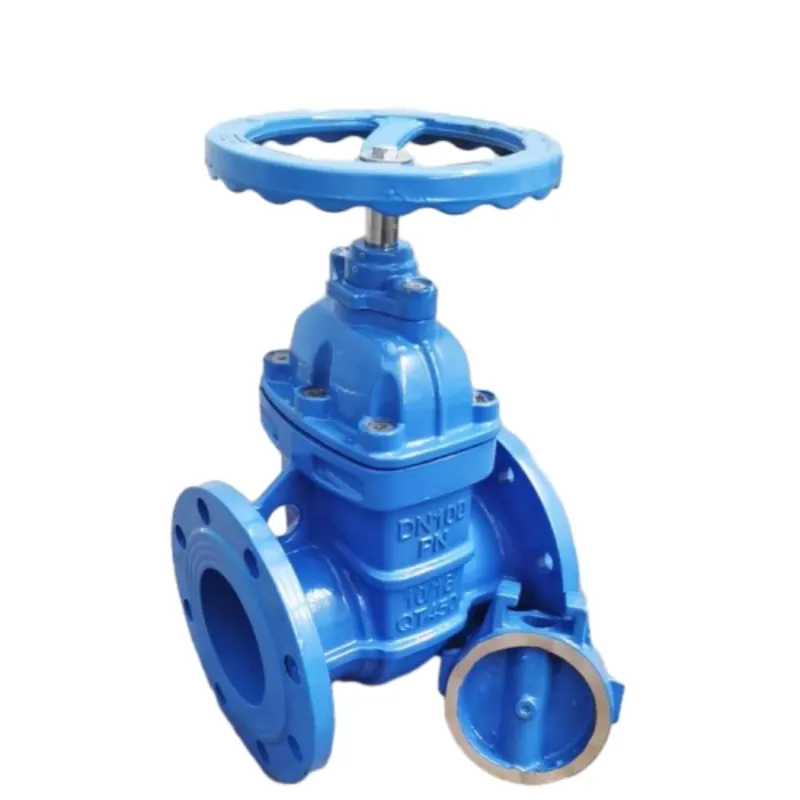
Understanding the Pricing of 100mm Gate Valves Gate valves play a crucial role in various industrial applications, particularly in regulating the flow of liquids and gases in pipelines. Among the many sizes and types available, the 100mm gate valve is a popular choice for both residential and industrial settings due to its balance of size, performance, and cost-effectiveness. In this article, we will explore the pricing factors associated with 100mm gate valves, including materials, manufacturing processes, and market demand. Material Considerations The material of a gate valve significantly influences its price. Common materials used for 100mm gate valves include brass, cast iron, stainless steel, and carbon steel. Each material comes with its range of properties and price points. For example, brass and stainless steel variants tend to be more expensive due to their superior resistance to corrosion and wear, making them suitable for applications involving aggressive fluids. On the other hand, a cast iron gate valve might be less costly but may not hold up as well in certain environments—thus, leading to higher maintenance costs over time. Manufacturing Processes The manufacturing process also contributes to the overall pricing of 100mm gate valves. Valves may be produced using casting, forging, or machining methods, each with its implications for both quality and cost. Casting is typically more economical for mass production, while forging is a preferred method for applications that require enhanced strength. The complexity of the design and the precision required in production can also impact the final selling price. Valves that incorporate advanced features, such as automated controls or specialized seals, will typically command higher prices. Market Demand and Supply Chain Dynamics 100mm gate valve price Market demand plays a pivotal role in setting the price of 100mm gate valves. Industries such as oil and gas, water treatment, and construction have specific needs for such valves, and fluctuations in demand can lead to price volatility. For instance, during periods of heightened infrastructure development or industrial expansion, the demand for gate valves may surge, leading to increased prices. Moreover, the global supply chain dynamics can further impact pricing. Factors such as transportation costs, tariffs, and the availability of raw materials can contribute to price variations. A disruption in supply chains, as witnessed during global crises, can lead to shortages, thereby elevating prices. Comparative Shopping and Cost-Effectiveness When considering purchasing a 100mm gate valve, it is advisable to conduct comparative shopping. Prices can vary significantly among manufacturers and suppliers, largely based on brand reputation, quality, and customer service. While it may be tempting to opt for the lowest-priced option, consumers should weigh the overall value, including the longevity and reliability of the valve, which can impact long-term costs. Many suppliers also offer bulk purchase discounts, which can further reduce the cost per unit. Additionally, warranties and after-sales support are critical factors to consider, as they can provide peace of mind and safeguard your investment. Conclusion In summary, the pricing of 100mm gate valves is influenced by a multitude of factors, including material choice, manufacturing processes, market demand, and supply chain dynamics. Understanding these elements can empower buyers to make informed decisions that balance cost with quality and performance. Whether for residential, commercial, or industrial applications, investing in the right gate valve at a fair price can lead to enhanced efficiency and reliability in fluid management systems.
-

High quality industrial productsagement

High quality industrial products
View Details -

Meet the diverse needs of customers

Meet the diverse needs of customers
View Details -

Strict quality control

Strict quality control
View Details -

Top raw materials

Top raw materials
View Details -

Trusted supplier

Trusted supplier
View Details
Our application



news and information
válvula de retenção do pistão
Válvula de Chegada com Pistão Um Componente Essencial na Indústria As válvulas de chegada, especialm

welded globe valve
Understanding Welded Globe Valves A Comprehensive Overview Welded globe valves are vital components
Vanne de porte d'étanchéité douce électrique
Les vannes à guillotine de 14 pouces une solution robuste pour les systèmes complexes Lorsqu'il s'a
 English